The Future of Business Consulting: Trends and Innovations


Introduction to the Evolving Landscape
The world of business consulting is undergoing a remarkable transformation, driven by rapid technological advancements and shifting client expectations. As we look to the future, several key trends and innovations are set to redefine how consulting firms operate and deliver value. Embracing these changes will be crucial for businesses aiming to stay competitive in the evolving market.

Embracing Digital Transformation
One of the most significant shifts in business consulting is the focus on digital transformation. Consultants are increasingly leveraging technologies such as artificial intelligence (AI), machine learning, and big data analytics to provide more precise and actionable insights. These tools enable consultants to uncover patterns and trends that were previously difficult to detect, offering clients a competitive edge.
The integration of digital tools also streamlines consulting processes, allowing for more efficient data collection and analysis. This not only enhances the quality of insights but also reduces the time needed to deliver results, making consulting services more agile and responsive.
Personalized Consulting Solutions
As businesses become more diverse and complex, the demand for personalized consulting solutions is on the rise. Clients are seeking tailored strategies that align with their unique goals and challenges. This trend is pushing consultants to adopt a more client-centric approach, focusing on customization rather than one-size-fits-all solutions.

By utilizing advanced analytics and engaging closely with clients, consultants can develop bespoke strategies that address specific needs. This personalized approach not only builds stronger client relationships but also delivers more impactful results.
Sustainability and Ethical Consulting
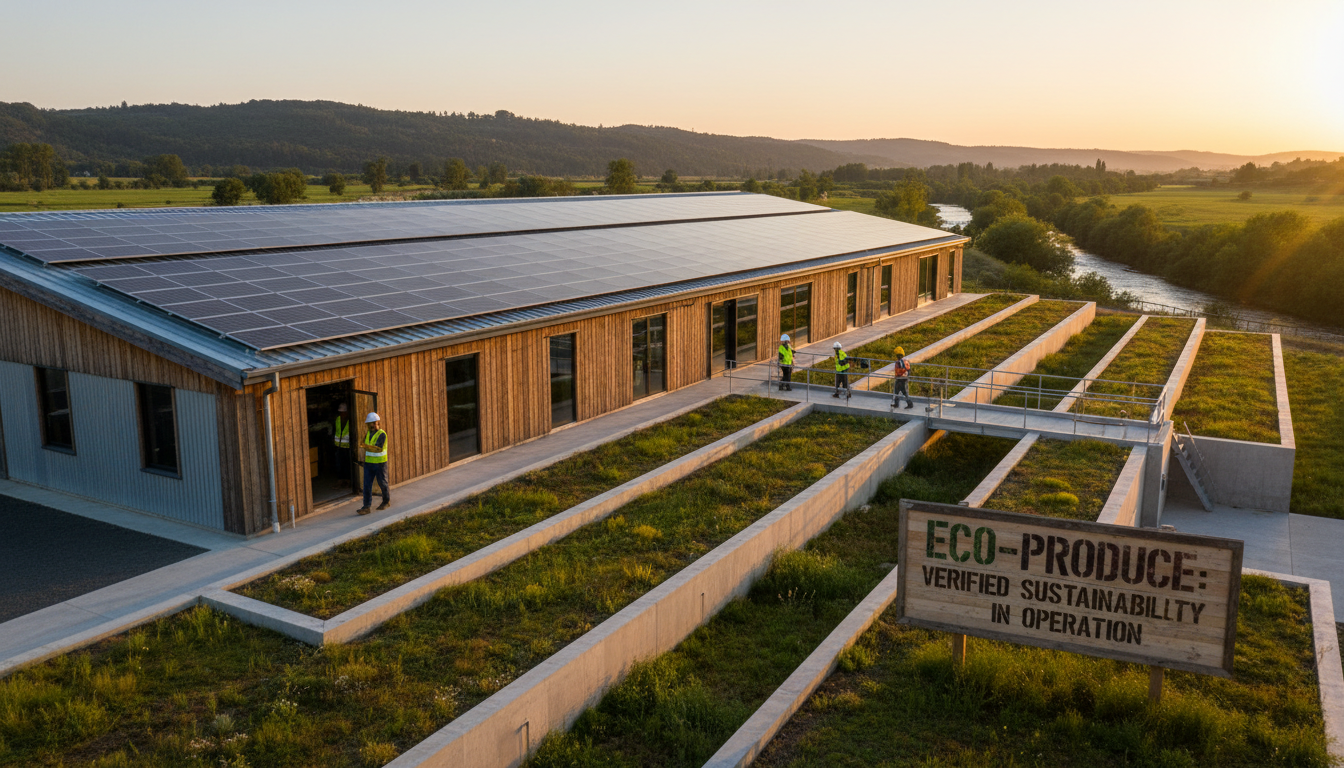
With growing awareness of environmental and social issues, sustainability has become a critical focus in business consulting. Firms are increasingly advising clients on how to adopt sustainable practices and integrate corporate social responsibility into their operations. This shift is not just a moral imperative; it also reflects changing consumer preferences and regulatory requirements.
Consultants who specialize in sustainability can help businesses achieve long-term success by aligning their strategies with global sustainability goals. This includes everything from reducing carbon footprints to enhancing supply chain transparency.
Remote and Virtual Consulting
The rise of remote work has also influenced the consulting industry. Virtual consulting services are becoming more prevalent, allowing firms to reach a broader range of clients without geographical constraints. This trend has been accelerated by the global pandemic, proving the effectiveness and efficiency of remote consulting.
Virtual tools and platforms facilitate seamless communication and collaboration between consultants and clients, ensuring that distance does not hinder the quality of service. This approach also reduces overhead costs, benefiting both consulting firms and their clients.
Conclusion: Preparing for the Future
As the business consulting landscape continues to evolve, firms must remain adaptable and forward-thinking. By embracing digital transformation, focusing on personalized and sustainable solutions, and leveraging remote capabilities, consultants can continue to deliver exceptional value to their clients. The future of business consulting is bright, and those who innovate will lead the way in shaping the industry.